The Fascination of Tabletop Games and the Rise of Tamasa
Tabletop games have held a special place in the hearts of enthusiasts and casual players alike for generations. Their appeal lies in the blend of strategy, creativity, and social interaction that each game offers. In recent years, a standout name amidst this intriguing world has been "Tamasa," a game that has captivated players with its unique approach to the genre.
Understanding Tabletop Games
Before diving into the specifics of Tamasa, it's important to understand what constitutes a tabletop game. Often characterized by physical pieces, boards, cards, and occasionally dice, these games are designed to be played on a flat surface. Their origins can be traced back centuries, evolving from simple board games to complex role-playing games (RPGs) and themed adventures.
One of the greatest appeals of tabletop games is their ability to foster a sense of camaraderie while also challenging players to think strategically. Unlike digital games, which often create solitary experiences despite online multiplayer options, tabletop games bring people together around a common space. This physical presence is invigorated by the face-to-face interactions, laughter, and often, competitive banter.
The Rise of Tamasa: A New Favorite Among Enthusiasts
Among the array of intriguing tabletop games, Tamasa has emerged as a noteworthy contender. With its release, it introduced innovative mechanics that caught the attention of seasoned gamers and novices alike. Tamasa is known for its blend of tactical depth and narrative richness, allowing players to immerse themselves in a world of strategy and storytelling.
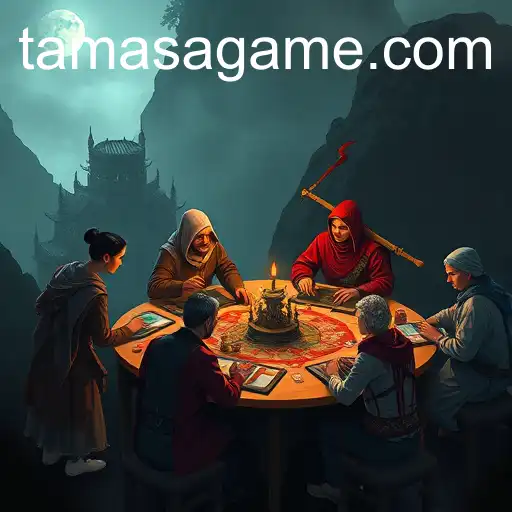
Designed for 2 to 5 players, Tamasa engages participants in a world of intrigue and conflict. Players take on the roles of various factions, each with its own unique abilities and objectives. This diversity in gameplay provides a different experience every time the game is played, keeping it fresh and engaging.
The Mechanics of Tamasa
One of the core strengths of Tamasa is its sophisticated game mechanics. Players must balance resource management, tactical combat, and diplomatic negotiations to achieve their objectives. This requires not only strategic thinking but also the ability to adapt to the evolving dynamics of the game.
Resource Management
Resource management in Tamasa is crucial. Players must manage their resources wisely to build infrastructure, train units, and advance their factions. The scarcity of resources adds a layer of tension, forcing players to make difficult decisions about when and where to allocate their assets.
Tactical Combat
The game's combat system is skillfully designed, offering a mix of strategic depth and unpredictability. As players engage in skirmishes and full-scale battles, they must consider the strengths and weaknesses of their units, terrain advantages, and the potential repercussions of their actions. This makes every encounter both thrilling and thought-provoking.
Diplomatic Negotiations
A unique feature of Tamasa is its emphasis on diplomacy. Forming alliances, negotiating treaties, or deftly manipulating other players' agendas can be just as impactful as winning battles. This political layer adds an extra dimension to gameplay, requiring players to not only outmaneuver opponents on the battlefield but also at the negotiation table.
Storytelling through Gameplay
Tamasa excels at integrating storytelling with gameplay. Each session unfolds like a dynamic narrative, influenced by the decisions and interactions of the players. As factions vie for dominance, betrayals, alliances, and unexpected developments form a tapestry of emergent storytelling that keeps players hooked.
The thematic elements of Tamasa draw players into its rich lore. The factions, each with their own history and motivations, provide depth to the unfolding drama. This makes the outcomes of the game feel significant, as if players are truly impacting the world within Tamasa.
Community and the Culture of Tabletop Gaming
The appeal of games like Tamasa extends beyond the mechanics and narrative. The community that forms around tabletop gaming is a vibrant part of its culture. Players gather in living rooms, gaming stores, and conventions to enjoy shared experiences. This fosters a sense of belonging and connection that is hard to find in other forms of entertainment.
The advent of online platforms has further expanded the reach of tabletop games. Social media and digital platforms allow players to share strategies, fanart, and personal experiences related to games like Tamasa. This virtual extension of the tabletop community ensures that even those who cannot meet in person can still partake in the joy of gaming.
The Future of Tabletop Gaming and Tamasa
As the popularity of tabletop gaming continues to rise, titles like Tamasa are poised to remain influential in shaping the next generation of games. With the potential for expansion packs, additional factions, and new scenarios, the game can evolve alongside its player base, ensuring longevity and continued engagement.
Moreover, the innovative mechanics and compelling narratives of games like Tamasa may inspire future designers to push the boundaries of what tabletop games can accomplish. As a result, the genre can continue to thrive, offering rich and diverse experiences to players around the world.
In conclusion, Tamasa stands as a beacon of innovation in the realm of tabletop games. Its intricate mechanics, engaging narratives, and robust community support make it a cornerstone of the modern tabletop gaming experience. Whether you're a veteran gamer or a newcomer to the genre, Tamasa offers a world of strategy and storytelling waiting to be explored.